Looking at a Taos property with an acequia nearby and not sure what that means for your purchase? You’re not alone. Acequia water rights and ditch easements shape how you can use land, what you’ll pay, and how to plan improvements. In this primer, you’ll learn the basics, where to verify records, the due diligence steps to take during escrow, and how acequias can affect property value in Taos County. Let’s dive in.
Acequias 101 in Taos
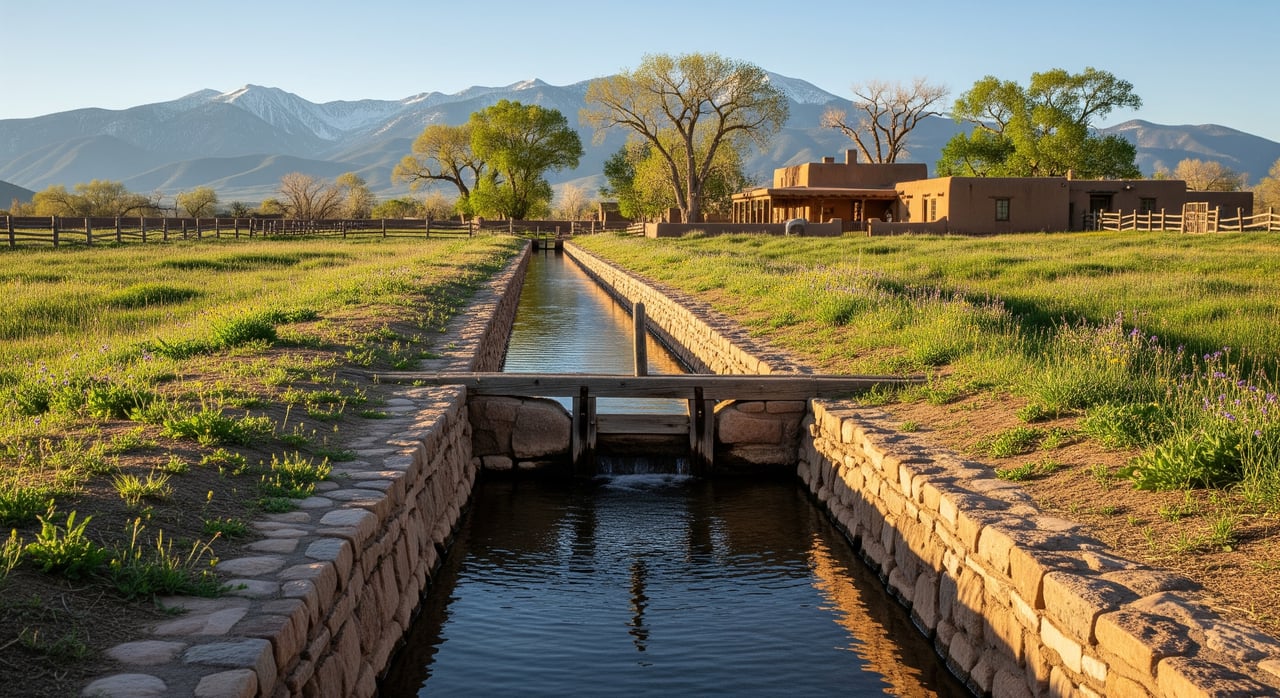
Acequias are community-managed irrigation ditches and the local associations that govern them. They are both physical infrastructure and a social institution with deep roots in Northern New Mexico. When you buy in Taos Valley and nearby communities, you may encounter ditch easements, acequia shares, and membership expectations.
A few key terms help you read listings and records:
- Parciante: A member or user of an acequia, often described as holding “shares” or “partialidades.”
- Mayordomo or ditch commissioner: Local officers who manage operations, schedules, and rules.
- Water right: A legally recognized right to divert and use a specific amount of surface water, usually with a priority date.
- Appurtenant vs severable: Some water rights are tied to the land; others may be transferred separately, depending on law and local rules.
- Ditch easement: A right-of-way for water flow and maintenance access that can limit where you build and requires access for upkeep.
What water rights mean for your purchase
New Mexico follows prior appropriation, often summarized as “first in time, first in right.” A water right’s priority date affects reliability in dry years. Many acequia rights are appurtenant to the parcel, but transfer rules can be complex. If a right was not used for a long period, it may raise questions you should investigate during due diligence.
Acequia membership carries obligations. You may owe annual assessments and, in some acequias, contribute labor for maintenance. Ditch easements usually limit structures in the right-of-way and give the acequia access for repairs and cleaning. Understanding these obligations upfront helps you plan budgets and site improvements.
Where to verify records
Clear records are essential. In Taos County, you may need to pull files from several places to get the full picture.
Public and state sources
- New Mexico Office of the State Engineer (OSE): Look up water-right file numbers, priority dates, authorized acreage or diversion amounts, diversion points, change applications, and adjudication status. OSE also maintains well and permit records for groundwater.
- State Engineer and Interstate Stream Commission publications: Check regional policy, basin adjudication status, and planning documents.
County and local sources
- Taos County Clerk: Deeds, recorded ditch easements, plats, and any recorded assessments or liens.
- Taos County Assessor and County GIS: Parcel maps, tax IDs, and sometimes notes on irrigated acreage.
Acequia association sources
- Local acequia association and officers: Bylaws, minutes, parciante lists, assessment histories, rotation schedules, and maintenance requirements. Contact the specific acequia named in the deed chain or by the seller.
Courts and title files
- State district court adjudication files: See whether a right has been litigated or confirmed.
- Title company commitment: Review exceptions, recorded easements, and any ditch-related notes. Ask the closer to explain unfamiliar items.
Due diligence checklist for Taos buyers
Use this list to guide your review during escrow and inspection periods.
Documents to obtain
- Title commitment or preliminary report. Confirm recorded ditch easements, water-right deeds, and any ditch-related liens.
- Current deed and chain of title. Look for language conveying acequia shares or appurtenant rights.
- OSE water-right records. Request the water-right file number, priority date, authorized use and acreage, diversion point, and any change filings.
- Acequia association records. Ask for bylaws, minutes, assessment history, and parciante lists.
- Seller disclosures. Get written details on irrigation history and use over the last 5–10 years, assessment payments, and any disputes.
- Surveys or plats. Verify ditch easement location relative to building envelopes, septic, and driveways.
Questions to ask
- Is there an acequia share attached to this parcel and is it described in the deed?
- What is the water-right number, priority date, and authorized acreage or diversion amount? Has it been adjudicated?
- Has the right been used consistently in recent years?
- Where are the ditch easements and what are the access requirements?
- What are current assessments and are any unpaid?
- Who is the mayordomo or commissioner and how do you attend a meeting? What are member obligations?
- Are there encroachments, maintenance backlogs, or neighbor disputes?
- Are there OSE change applications that affect this property’s water right?
- Does the property rely on surface diversion only, or also a permitted well?
Site inspection items
- Condition of headgates, diversion structures, gates, and ditch banks.
- Culverts, crossings, or improvements within the easement that could be encroachments.
- Evidence of recent irrigation use and whether irrigation layout matches authorized acreage.
How acequias affect use and value
Acequia rights can create real benefits. Irrigation can support hay, pasture, orchards, or small-scale agriculture and can add value to irrigable acres, especially in the Taos Valley. Participation in acequia governance can also offer a meaningful connection to local traditions and community life.
There are also constraints. Expect assessments and, in some acequias, labor obligations. Ditch easements reduce buildable area and allow maintenance access. Reliability can vary with priority and streamflow in dry years. Transfers or changes of use can be complex and may require approvals.
When you budget, factor in assessments, possible catch-up maintenance, potential legal or title costs, and repairs to aging structures. Parcels with clear documentation and clean title are usually easier to finance and resell.
Red flags to escalate
If you encounter any of the following, consider consulting specialists:
- No clear OSE water-right record or file number.
- Recorded ditch easement with vague access or maintenance language.
- Outstanding assessments, liens, or evidence of long-term nonuse.
- Ongoing litigation, contested adjudication, or pending OSE change applications that could reduce water availability.
Who to consult
Depending on what you find, you may want help from:
- A New Mexico water-rights attorney for questions on transferability, priority, nonuse, or adjudication.
- A title company experienced with rural and acequia properties to interpret easements and exceptions.
- The local mayordomo or acequia commissioners for schedules, assessments, and operational details.
- A civil engineer or irrigation specialist to evaluate diversion condition and irrigation feasibility.
- A Taos-based real estate advisor who understands acequia customs and title issues to coordinate the process and contacts.
Tips for out-of-state buyers
- Ask the seller to introduce you to the mayordomo early. It builds goodwill and speeds up answers.
- Request a parcel walk to physically locate the ditch, laterals, and easement edges.
- Calendar acequia meetings and cleaning days so you understand annual rhythms and obligations.
- Keep your financing and inspection timelines aligned with record requests from OSE, county offices, and the acequia.
Buying with acequia rights in Taos can be a rewarding choice when you have clear records and a plan for participation. If you want a local guide who will help you gather documents, coordinate with the acequia, and keep your transaction on track, connect with Debbie Friday Jagers for concierge, culturally fluent support.
FAQs
What is an acequia water right in Taos?
- A legally recognized surface-water right to divert and use a set amount of water through a community-managed ditch, often tied to a parcel and governed by the local acequia.
How do I confirm if a Taos parcel includes acequia shares?
- Review the deed and title commitment, request the OSE water-right file, and contact the specific acequia’s mayordomo for membership and assessment records.
What does a ditch easement allow on my property?
- It preserves water flow and grants the acequia access for maintenance, which can limit structures within the right-of-way and require you to accommodate access.
Can acequia water rights be moved or sold separately from the land?
- Sometimes, but rules vary and transfers can be complex; check OSE records and acequia bylaws, and seek legal guidance before relying on a severed transfer.
What costs should I expect as a parciante in Taos?
- Annual assessments are common and some acequias expect labor for maintenance; ask for current assessment amounts and any unpaid balances during due diligence.
Do acequia rights affect well use or permits?
- Surface-water rights are separate from groundwater wells, which are governed by OSE permits; confirm whether a property relies on surface diversion, a permitted well, or both.