If the thick, sculpted walls and warm curves of an adobe call your name, you are not alone. In Ranchos de Taos, these homes are part of everyday life and local history. Buying one takes a slightly different plan than a conventional house, and a little extra know-how pays off for decades. In this guide, you will learn what “adobe” means here, how to inspect one smartly, what upgrades keep it healthy, and the permits and paperwork to line up. Let’s dive in.
What adobe means here
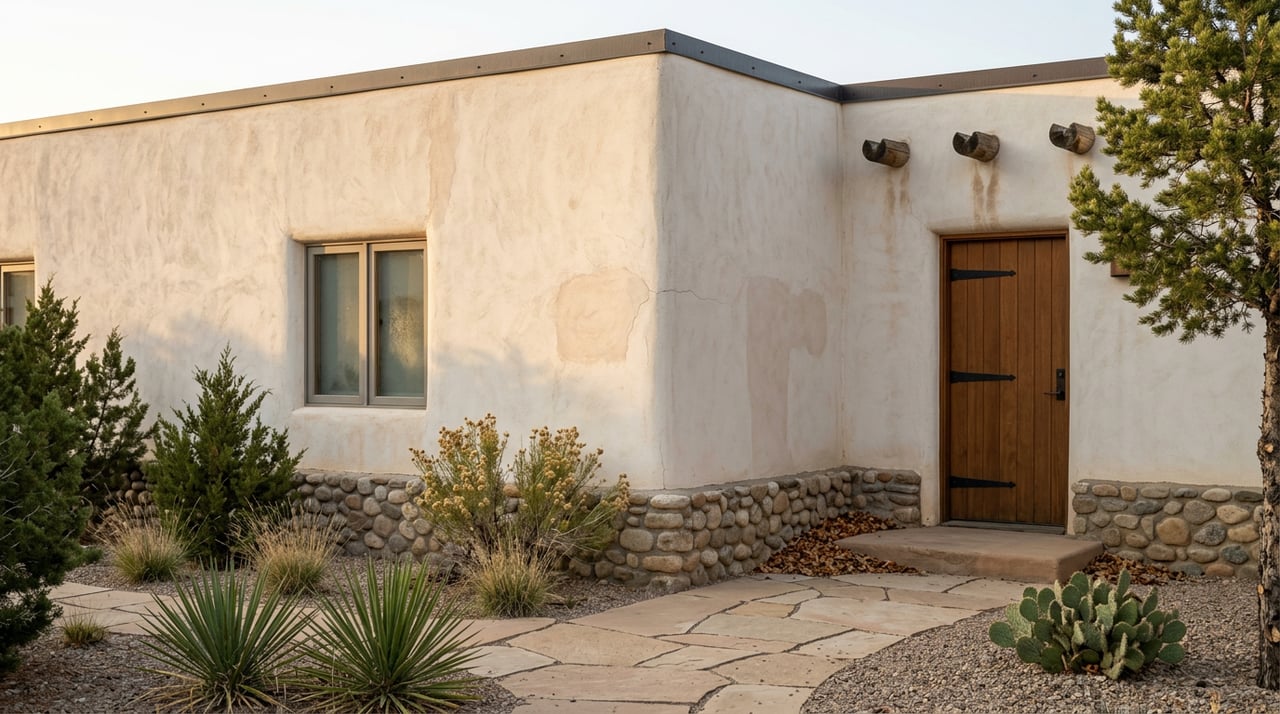
In the Taos area, a traditional adobe often has very thick, load-bearing earthen walls, exposed wood vigas and latillas, and a flat or low-slope roof with parapets. Exterior walls are usually finished in earthen or lime-based plaster that lets the walls dry. These are living building traditions, and some homes mix older adobe walls with later-frame additions. For an overview of best practices that protect historic materials, review the National Park Service’s guidance in its Preservation Briefs.
Climate and why it matters
Ranchos de Taos sits in a high-desert mountain climate with cold nights, snowy winters, and a summer monsoon pattern. That seasonal rain makes roofing, parapets, and drainage your first line of defense. Good water management at the top and base of the walls keeps an adobe strong for generations.
How construction shapes risk and cost
Foundations and base of wall
Many older adobes were built on shallow stone or rubble footings, not deep modern foundations. If water reaches the base, or soil washes out, the earthen walls can weaken or bulge. Ask for a clear history of any foundation work, grading, or drainage improvements, and get documentation.
Moisture and breathability
Moisture is the top risk to adobe. Water that enters through a leaky roof, poor grading, or non-breathable coatings can speed up damage. Research shows that impermeable coatings trap moisture in adobe walls and raise the risk of failure. A peer‑reviewed study explains why breathable finishes help walls dry and stay stable (read the research on moisture behavior).
Exterior finishes that play nice
Compatible exterior finishes are clay or lime-based plasters and limewash. Cement stucco over unstabilized adobe is a common red flag because it can act like a vapor barrier and trap moisture. New Mexico’s administrative code recognizes lime-based stuccos as compatible and limits vapor-blocking systems over unstabilized adobe. You can review the relevant rule in the New Mexico Administrative Code.
Roofs, parapets, and drainage
Flat or low-slope roofs and parapets are part of the look, but they demand care. Inspect roof membranes, scuppers, and flashing where a pitched roof meets adobe walls. Ponding water or clogged scuppers can move moisture into walls and timbers. Preservation roof details for historic buildings highlight why correct flashing and drainage are vital to long-term health (see roof detailing guidance).
Wood elements you should check
Vigas and other roof timbers often pass through the wall. If water gets in at those points, the wood can rot where you cannot see it. Look closely at exposed timber ends for softness, staining, or insect damage. Ongoing re-plastering around timber connections is common in preservation work, as noted in National Park Service projects (timber-to-adobe preservation context).
Seismic behavior and retrofit options
Adobe is heavy and brittle, which means unreinforced walls do not perform well in earthquakes. The Getty Conservation Institute has tested retrofit methods like ring beams, discreet ties, and mesh that can improve safety while preserving character. If you see significant cracking or have a two-story adobe, budget for an engineer’s review and learn about tested seismic stabilization approaches.
Your due diligence plan
Build the right inspection team
Standard home inspections are helpful, but earthen buildings deserve specialists. Consider assembling:
- An adobe-experienced home inspector for a full review of roof, walls, drainage, HVAC and plumbing routes, and fireplaces.
- A structural engineer familiar with adobe and seismic strategies for widening cracks, leaning walls, or multi-story homes.
- A roofer who works with adobe and parapets to check membranes, scuppers, and flashing.
- A moisture diagnostics pro to take targeted readings and do infrared scans if plaster looks suspect. Scientific studies tie higher wall moisture to instability, so this is often money well spent.
- A preservation mason or adobe contractor who can test plasters and advise on compatible repairs.
- Well water testing and a septic inspection if the property is on private systems. The EPA recommends testing wells for bacteria and nitrate during real estate transactions (EPA guidance on private wells).
What to ask the seller
Request copies of:
- Roof history with dates, materials, contractors, and invoices.
- Plaster or re-plaster work with materials noted. Ask directly if cement stucco was applied.
- Any foundation, grading, or drainage work with permits.
- Structural or seismic retrofit records.
- Permit history for additions or major systems changes.
Red flags that need action
- Long, widening vertical cracks or bulging walls.
- Soft or crumbling base courses and damp staining near the floor.
- Chronic roof leaks, ponding on a flat roof, or failing flashing.
- Evidence of cement stucco over unstabilized adobe without mitigation.
Smart repairs and upgrades
Principles that protect adobe
Repairs work best when they match the original wall’s vapor behavior. That usually means breathable earthen or lime plasters, careful detailing at parapets, and patient, preventive maintenance. The National Park Service promotes like-for-like repairs and minimal intervention. New Mexico’s rules also limit vapor-blocking assemblies and thick exterior foam over unstabilized adobe, which is why anyone proposing exterior insulation should show how the wall will still dry. You can skim the state rule on adobe and stucco compatibility and the NPS Preservation Briefs for context.
Energy comfort without harm
You can boost comfort without hurting historic materials. Start with air sealing, better roof or attic insulation, and high-performance or storm windows. These steps are usually higher impact and lower risk than adding wall insulation. NPS guidance on historic buildings supports a least-invasive, performance-first approach to energy upgrades (energy efficiency in historic buildings). Heat pumps or efficient hydronic systems often pair well with the thermal mass of adobe.
Seismic upgrades with sensitivity
If an engineer recommends seismic work, choose proven systems that respect the building’s fabric. The Getty’s research-backed methods show you can improve safety with discreet beams, ties, and confinement strategies while keeping the home’s character intact. Learn more about tested adobe seismic methods.
Permits, floodplain, lending, and insurance
County permits and reviews
Ranchos de Taos is in Taos County. Start with county planning to confirm permit needs, design review triggers for exterior changes, and any special districts that affect your project. County staff can also help with permit history and floodplain checks. Use Taos County Planning as your first stop for records and requirements (Taos County Planning).
Floodplain checks
During due diligence, ask for a floodplain determination. If a property lies in a FEMA Special Flood Hazard Area, a lender will typically require flood insurance. Confirm status early to understand any insurance or elevation certificate needs.
Lending and insurance
Many lenders require that roof or structural issues be addressed before closing and will want proof of adequate hazard insurance. Some insurers treat older or non-standard construction differently. A practical move is to speak with your lender and a local independent insurance agent early in the process so you know what documentation or repairs could be required for your specific house.
State incentives for preservation
If the home is a registered cultural property, you may qualify for a New Mexico state income tax credit that covers part of approved preservation costs. Pre-approval and following state procedures are required. Review the state’s overview of the Landmark NM tax credit and talk to the New Mexico Historic Preservation Division before you begin work.
Budget framing you can use
Every adobe is unique, so avoid single-number estimates. Think in tiers and get quotes from pros who know earthen buildings.
- Routine upkeep: annual roof and parapet checks, cleaning scuppers, small plaster patches, and base protection. This is usually the most cost-effective path because it prevents bigger failures.
- Moderate projects: re-plastering sections with lime or earthen finishes, replacing or upgrading a roof membrane, and targeted drainage fixes.
- Major work: foundation stabilization, large-scale re-plastering, seismic retrofits, or correcting trapped moisture from past cement stucco. For these, seek multiple detailed bids and, if structural, an engineer’s scope.
A smooth path for out-of-state buyers
If you are buying from afar, schedule virtual walk-throughs and line up your inspection team before you make an offer. Ask the seller for repair and permit files up front, and speak with a lender and insurance agent early. With clear records and the right experts, you can move from offer to close with confidence.
Buying an adobe in Ranchos de Taos is both a home and a stewardship choice. With thoughtful due diligence, breathable repairs, and steady roof and drainage care, these homes can be comfortable, resilient, and deeply rewarding. If you would like a local guide who can help you evaluate specific properties and coordinate the right experts, reach out to Debbie Friday Jagers.
FAQs
What defines an adobe home in Ranchos de Taos?
- Thick, load-bearing earthen walls with lime or earthen plasters, exposed vigas and latillas, and flat or low-slope roofs with parapets are the common traits.
Why is moisture control so important for adobe walls?
- Adobe loses strength when it absorbs and holds water, so keeping roofs tight, drainage clean, and finishes breathable prevents damage.
Is cement stucco acceptable on an unstabilized adobe?
- It is usually a concern because cement stucco can trap moisture; lime or clay plasters are the compatible choice unless a permitted mitigation system is documented.
Which inspections matter most when buying an adobe?
- Start with an inspector experienced with adobe, then add a roofer review, moisture diagnostics, and a structural engineer if there is cracking or movement.
How can you improve energy efficiency without harming the adobe?
- Focus on air sealing, roof or attic insulation, and high-performance or storm windows before considering wall insulation or exterior foam.
Do you need special permits for adobe repairs in Taos County?
- Many exterior changes and structural repairs require permits, so confirm requirements, design review triggers, and floodplain status with Taos County Planning early.