If you’re trying to picture life in Ranchos de Taos, you’re not alone. This area can feel a little harder to define than a typical subdivision, which is exactly why so many buyers find it compelling. When you understand how Ranchos de Taos is laid out, what daily life looks like, and which parts fit your goals, it becomes much easier to find the right property with confidence. Let’s dive in.
What Ranchos de Taos Really Means
Ranchos de Taos is best understood as a historic valley community centered around Saint Francis Plaza, not as one neatly bounded neighborhood. The San Francisco de Asis Mission Church sits in the plaza within the Ranchos de Taos Historic District, and the area is tied closely to the High Road to Taos route.
In day-to-day real estate terms, it helps to think of Ranchos de Taos as a wider valley setting with a few distinct zones. Taos County planning also reflects this broader view, with the Ranchos valley connected to nearby communities like Talpa, Llano Quemado, La Cordillera, and Los Cordovas through shared infrastructure and land-use patterns.
Why Buyers Are Drawn Here
Ranchos de Taos offers a mix that can be hard to find in one place. You get history, open landscapes, and access to recreation, while still staying connected to Taos for many everyday needs.
For some buyers, the draw is the sense of place near the plaza. For others, it is easier highway access, more land, or a quieter setting with an agricultural feel. The right fit depends on how you want to live, not just what kind of house you want to buy.
Explore Ranchos de Taos by Area
Plaza Core Character
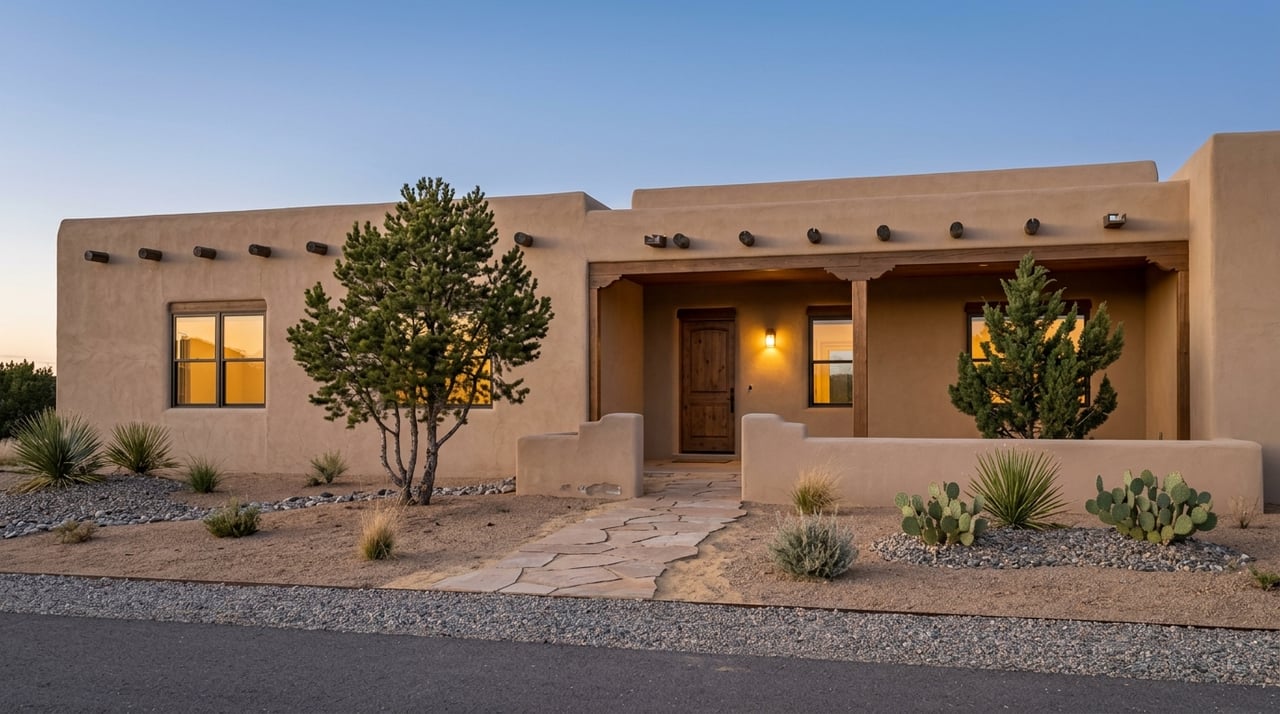
If you want the strongest historic identity, the plaza core is usually the first place to look. Near Saint Francis Plaza, the built environment reflects traditional adobe forms, with one- or two-story structures, protruding vigas, and simple U- or L-shaped layouts.
This part of Ranchos tends to appeal to buyers who care deeply about architecture, cultural setting, and a strong connection to place. In the broader Taos area, you may also see adobe, Territorial, Craftsman, and Pueblo Revival influences, but the plaza area feels especially rooted in historic Taos character.
Highway 68 Convenience
South Highway 68 is the area’s main functional corridor. It connects Ranchos de Taos with Taos and regional routes, and it is where you are more likely to find straightforward access to errands, travel, and some local businesses.
If convenience matters to you, this zone can be a smart place to focus your search. It often suits buyers who want a quieter home base than central Taos while still keeping daily logistics relatively simple.
Valley-Edge Openness
The outlying parts of the wider Ranchos valley, including areas connected to Talpa, Llano Quemado, La Cordillera, and Los Cordovas, offer a different experience. Taos County planning emphasizes agriculture, acequias, ranching, forests, and views in these areas.
That usually translates to a more open and rural feel. If you are hoping for privacy, land, or a property that feels more connected to the valley landscape than to the plaza, these edge areas may be the best match.
What Housing Feels Like Here
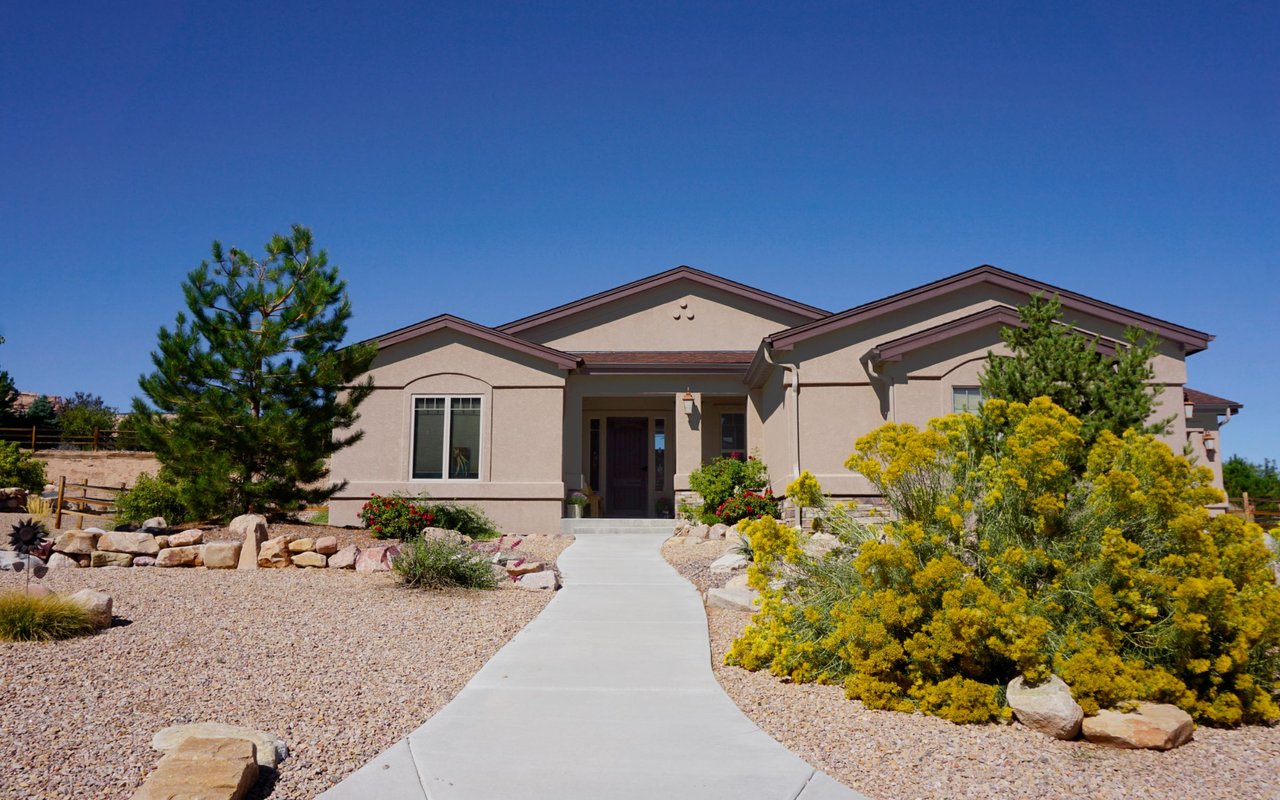
One of the biggest strengths of Ranchos de Taos is variety. You may find historic compounds, Southwestern-style homes from later periods, and properties with larger parcels depending on where you look.
Instead of expecting one uniform housing stock, it is better to focus on the setting first. Ask yourself whether you want historic adobe character, easier access along Highway 68, or more space and separation in the valley. That answer will often guide you faster than style alone.
Daily Life in Ranchos de Taos
Schools and Learning Resources
Ranchos Elementary is located in Ranchos de Taos, and Taos Municipal Schools identifies it as a community school with after-school support for local families. UNM-Taos also has its Klauer Campus in Ranchos de Taos, with a public library, hiking trails, and a preschool.
Middle and high school services are centered in Taos town. If school access is part of your planning, it is wise to account for some regular driving even if you live in Ranchos proper.
Errands and Services
Ranchos has a USPS location, which adds convenience for daily routines. At the same time, many broader needs are typically handled in nearby Taos, including library access, grocery options like the Taos Food Coop, and healthcare at Holy Cross Hospital.
That balance is part of the local rhythm. Ranchos can feel calm and rural, while many day-to-day errands still naturally happen north in town.
Outdoor Access
If an active lifestyle matters to you, Ranchos de Taos has a lot going for it. The area offers access to hiking, biking, rafting, and the larger recreation opportunities connected to Carson National Forest.
South Highway 68 is also home to rafting outfitters, which shows how closely recreation is woven into the area. You can stay near outdoor adventure without being in the center of Taos town.
How to Match the Area to Your Goals
Buying in Ranchos de Taos usually starts with a lifestyle question. The area makes more sense when you narrow your search by how you want your days to feel.
Here is a simple way to think about buyer fit:
- Plaza-core buyers often want the mission and plaza setting with the strongest adobe character.
- Highway-corridor buyers often prioritize easier access to errands and regional travel.
- Valley-edge buyers often want openness, privacy, and an agricultural landscape.
- Land buyers should look closely at utilities, service coverage, and possible agricultural valuation questions.
Due Diligence Matters More Here
Rural and historic properties often require more careful review before you make an offer. In Ranchos de Taos, that extra step is especially important because property conditions, land use, and infrastructure can vary meaningfully from one area to another.
Taos County adopted an updated comprehensive plan in February 2026 and is continuing to update its development code, including areas tied to the Ranchos valley. If you are buying here, it is smart to confirm how a parcel fits within local zoning or historic-community rules before you finalize pricing or expectations.
Verify Utilities and Service Coverage
If you are looking at a larger parcel or a more rural property, confirm water and sanitation coverage early. The wider valley includes communities served through the El Valle de Los Ranchos Water and Sanitation District, but service assumptions should never be made without checking the specific property.
This is one of the most important early questions for land and rural-home buyers. It can affect both your plans for the property and your ongoing costs.
Understand Agricultural Status
Taos County notes that owners may apply for agricultural status when a property is used agriculturally. If you are considering land, pasture, or a property with agricultural potential, it is worth verifying whether that status applies now, whether it could apply in the future, and how it may affect valuation.
That does not mean every larger parcel will qualify. It simply means you should confirm the facts before you build your budget around assumptions.
Review Historic Context
In and near the plaza, historic character is part of the appeal. It can also shape maintenance expectations, especially for adobe properties, where preservation traditions and building methods may differ from what some buyers are used to.
If you are drawn to older homes for their character, make sure your due diligence also covers upkeep, materials, and any local considerations tied to the property’s setting. The goal is to fall in love with the charm while staying clear-eyed about ownership.
Why Local Guidance Helps
Ranchos de Taos is not a one-size-fits-all market. Two homes with the same price point can offer very different lifestyles depending on whether they sit near the plaza, along Highway 68, or out on the valley edge.
That is why local context matters so much here. When you work with someone who understands the area’s history, land patterns, and practical differences from one pocket to the next, you can make a decision that fits both your budget and the way you actually want to live.
If you’re thinking about buying or selling in Ranchos de Taos, a thoughtful local strategy can make all the difference. Connect with Debbie Friday Jagers for personalized guidance, clear insight, and concierge-level support tailored to your goals.
FAQs
What is Ranchos de Taos known for as a place to live?
- Ranchos de Taos is known as a historic valley community centered on Saint Francis Plaza, with a mix of historic character, rural landscapes, and access to Taos for many daily needs.
What kinds of homes can you find in Ranchos de Taos?
- Buyers may find a range of property types, including adobe homes, Territorial and Pueblo Revival influences, historic compounds, and rural properties with more land.
What is the difference between the plaza area and the valley edge in Ranchos de Taos?
- The plaza area tends to offer the strongest historic setting and adobe character, while valley-edge areas typically offer more openness, privacy, and an agricultural or open-space feel.
What daily services are available in Ranchos de Taos?
- Ranchos has a USPS location, while many broader needs such as healthcare, library services, and additional errands are commonly handled in nearby Taos.
What should land buyers verify in Ranchos de Taos before making an offer?
- Land buyers should verify water and sanitation service, review local zoning or historic-community considerations, and confirm any agricultural valuation questions with Taos County before making assumptions about costs or use.
Is Ranchos de Taos a good fit if you want outdoor access?
- Ranchos de Taos offers strong access to recreation, including hiking, biking, rafting, and connections to outdoor areas such as Carson National Forest.