Thinking about selling your Taos home and not sure where to start? Pricing feels tricky, adobe details can raise questions, and timing your launch matters. You are not alone. With a clear plan that fits Taos’s micro-markets and style, you can price confidently, prep smartly, and attract the right buyers. This guide walks you through what drives value here, how to set your price, and how to prepare for smooth showings, appraisals, and closing. Let’s dive in.
The market reality in Taos
Before you price, know the current landscape. Recent portal snapshots show a wide range because each uses different methods. For example, Realtor.com reported a median list price near $575,000 with roughly 110 days on market for Taos as of October 2025. Zillow’s ZHVI, which measures typical home value, was about $427,000 through January 31, 2026. Different data windows and list-versus-sold mixes explain the gap. Treat these as context, not absolutes.
Micro-markets matter. The Town of Taos, El Prado, Ranchos de Taos, and Taos Ski Valley trade differently. Ski Valley is a boutique resort market with higher price points and a different buyer profile. When you compare comps, focus on your specific neighborhood and property type, not a single townwide average.
Timing matters too. Spring and early summer generally bring more buyers browsing and touring, which often helps new listings. That said, ski-proximate and vacation properties can see strong winter demand. If your home speaks to ski or second-home buyers, a well-timed winter debut can work just as well as spring.
What drives value in Taos
Adobe and Pueblo style expectations
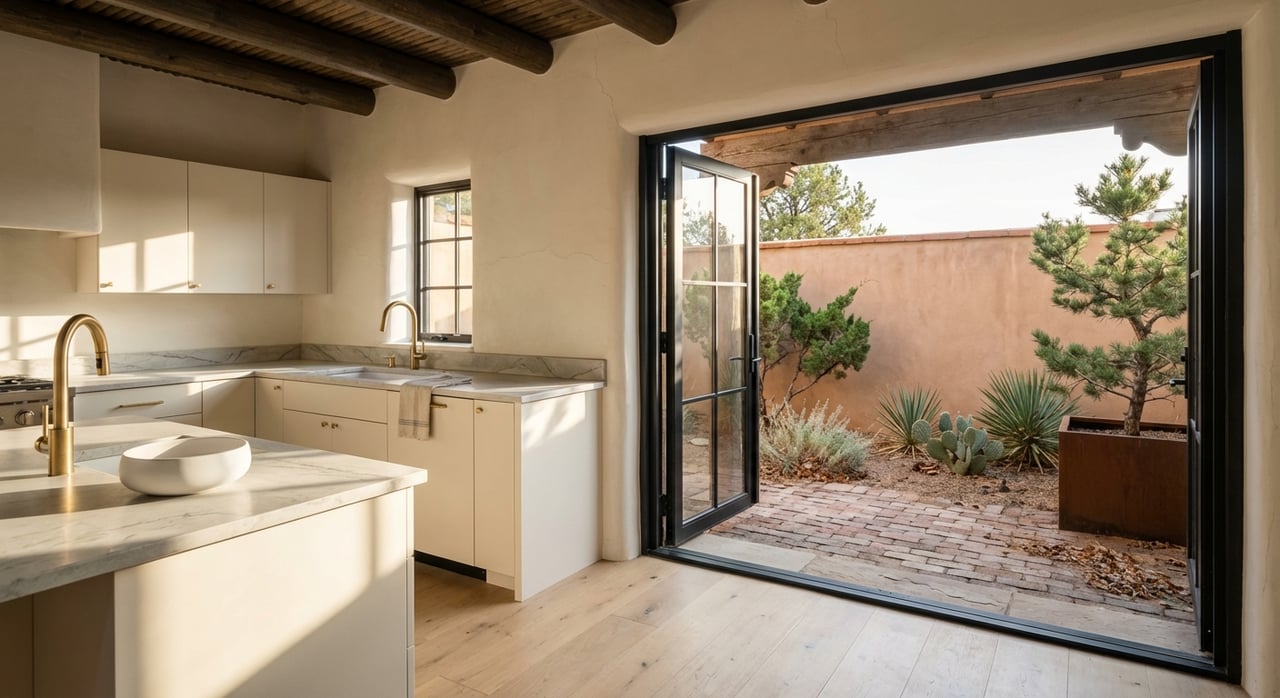
Adobe and Pueblo-Revival elements like vigas, latillas, and mud or lime plaster are part of Taos’s identity. Buyers appreciate authentic finishes, but they also expect sound roofs, working canales, and proper drainage. The National Park Service recommends traditional repair materials and correct drainage to protect earthen walls. Review the NPS guidance on adobe preservation so you can document any recent replastering or conservation work you have completed: NPS preservation by topic.
Views and setting
Unobstructed Sangre de Cristo or ski-area views are meaningful here. Across multiple studies, strong landscape views can add an uplift often in the high single digits to mid-teens, depending on quality and scarcity. That means a possible premium of roughly 5 to 15 percent, though results vary by property. Learn more about how views influence value from this research summary: pricing landscape quality.
Location nuances
Proximity to Taos Plaza, galleries along the Paseo, and the Ski Valley can be a real differentiator. Downtown walkability, mesa privacy, or quick ski access each attracts different buyers and price expectations. Compare your home to recent sales in the closest-fit micro-market for a realistic range.
Acequias, water rights, and easements
Many Taos Valley properties connect to historic acequia systems. Membership and easements can shape land use and upkeep. Clarify whether your property is in an acequia, confirm any assessments or bylaws, and gather contact details for the local association. This is a routine part of due diligence that helps avoid surprises. Start here: Taos Valley Acequia Association.
Climate, altitude, and winter readiness
At high desert elevation, buyers look for reliable heating, roofs that handle snow, and clear winter access. If you have known winter access notes or snow removal plans, make them part of your disclosure and marketing. Simple steps like servicing your heating system and clearing drainage paths help show you maintain the home well.
Historic overlays and permits
If you own a character home or a property in a historic area, confirm any design guidelines or permits that apply. The Town of Taos has rules for certain repairs and alterations, and approvals can affect timing. Review local code references and be ready to share any prior approvals with buyers: Town of Taos code reference.
Price it right from day one
Build a hyper-local CMA
A Comparative Market Analysis should focus on the closest-fit sales within the past 3 months when possible. Adjust for condition, lot size, view quality, architectural features, and adobe-specific conservation. Avoid relying on a single automated estimate. A thoughtful CMA sets the right range and informs your pricing strategy.
Choose a launch price and tactic
The first 1 to 2 weeks are critical for online traffic and inquiries. Overpricing tends to increase days on market and can lead to lower net outcomes after price cuts. Consider pricing just below search breakpoints to capture more buyer filters. For unique properties, value-range pricing can help you engage a broader pool while you test the market.
Time your listing
Spring often offers more overall activity. If your home appeals to ski-season and second-home buyers, a winter launch can be effective. Match your go-to-market plan to your buyer type and the property’s strengths.
Prepare your home to win online and in person
Get a pre-listing inspection
A pre-listing inspection reduces surprises and lets you make repairs on your schedule. Fix safety and code issues first, such as roof leaks, active water intrusion, and electrical hazards. Your inspection summary also builds buyer confidence and supports your price. Learn the key benefits here: pre-listing inspection guide.
Prioritize the right fixes
National cost-versus-value research shows targeted, midrange updates usually deliver better returns than big, custom remodels. Fresh neutral paint, a modest bath or kitchen refresh, and clean lighting go a long way. See current trends: cost-versus-value report insights.
If you have an adobe home, focus first on moisture management. Ensure canales flow, parapets and flashing are sound, and plaster is intact with appropriate materials. The NPS briefs on adobe conservation explain why traditional materials and correct drainage protect both condition and value: NPS preservation by topic.
Stage and photograph for Taos buyers
You want buyers to feel the light, space, and setting the moment they click your listing. Highlight views with clean windows and minimal window treatments. Feature authentic elements like vigas, nichos, and kiva fireplaces. Consider floor plans, drone or aerials for land and views, and tasteful twilight shots when appropriate. National buyer research underscores the importance of strong photos in online home search behavior: NAR 2024 Profile of Home Buyers and Sellers.
Appraisal, insurance, and disclosures
Appraisals and unique construction
If your buyer is using FHA, VA, USDA, or many conventional loans, the appraiser will confirm the home is safe, sound, and secure. Unique or older construction can trigger repair conditions, especially for health and safety issues. Ask your agent which financing types are most likely for your price point and location, and plan your repair strategy accordingly. For reference, see HUD’s guide: FHA Single Family Housing Policy Handbook 4000.1.
Insurance and wildfire considerations
Insurers in New Mexico pay close attention to wildfire exposure, roof age, flat roofs, and earthen construction. If your lot is in a wildland-urban interface, document any mitigation like defensible space or cleared brush. Sharing receipts or recent risk assessments helps buyers secure coverage with fewer delays. For context, review the state market overview: New Mexico home insurance market.
New Mexico’s tax estimate and disclosures
In New Mexico, sellers customarily complete a property disclosure and must request an estimated property tax levy from the county assessor based on the listing or sale price. You must provide that estimate to the buyer before accepting an offer. Get started here: Taos County Assessor.
Your Taos pre-list checklist
Use this short list 6 to 18 months before listing. Tackle items in order for the best return.
- Order a CMA focused on your micro-market with at least 3 recent sold comps.
- Schedule a pre-list inspection 2 to 4 weeks before launch, then decide what to repair versus disclose. See: pre-listing inspection guide.
- For adobe homes, have a qualified contractor check plaster, canales, and drainage. Follow conservation best practices from the NPS: adobe preservation guidance.
- Confirm acequia status, easements, and any assessments. Gather bylaws and contacts: Taos Valley Acequia Association.
- Request the county assessor’s estimated property tax levy for your planned list price: Taos County Assessor.
- Create your marketing kit: uncluttered rooms, professional photos, floor plan, list of recent repairs, and key features like view corridors, adobe details, lot size, and ski distance. Buyer research emphasizes strong visuals: NAR 2024 buyer-seller profile.
- If your lot is wooded, address basic wildfire mitigation and keep receipts. Share your mitigation steps when marketing: New Mexico insurance market overview.
How a local broker adds value
The right local advisor brings pricing precision and smoother execution. Here is what a Taos-focused broker will do for you:
- Build a hyper-local CMA that adjusts for adobe condition, view quality, acequia status, and location nuance.
- Recommend timing and pricing tactics that fit your buyer pool, whether in-town, mesa, or ski-area.
- Connect you with trusted local contractors for adobe and plaster work, roofing, drainage, and snow-readiness.
- Coordinate pre-list inspections, prioritize repairs, and plan for any appraisal or financing requirements.
- Navigate permits and historic-overlay processes where needed: Town of Taos code reference.
- Produce a polished marketing package with professional photography, floor plans, aerials, and compelling copy that highlights Taos features.
- Prepare a complete disclosure packet, including the county tax estimate, so buyers can move quickly and confidently.
Ready to talk through your price range, timing, and prep plan? Connect with a Taos-native advisor who blends local insight with professional marketing. Reach out to Debbie Friday Jagers to start your path to a smooth, well-presented sale.
FAQs
How should I price an adobe home in Taos?
- Use a CMA with recent local solds, then adjust for adobe condition, view quality, and drainage or plaster work that protects the structure.
When is the best time to list a Taos home?
- Spring and early summer are strong for activity, while ski-proximate and vacation listings can perform well with a winter launch.
What do I need to know about acequias when selling?
- Confirm membership, easements, assessments, and bylaws, then include that information in disclosures to support buyer due diligence.
How do appraisals handle unique construction like adobe?
- Lenders require appraisers to verify the home is safe, sound, and secure, so expect attention to roof, moisture, and electrical safety items.
Do I need a pre-listing inspection in Taos?
- It is recommended, especially for older or adobe homes, so you can fix key issues up front and give buyers more confidence in your property.