Thinking about a move to Santa Fe? You’re not alone. The City Different blends world-class arts, high-desert beauty, and small-city ease in a way that feels both inspiring and down to earth. In this guide, you’ll learn how the arts scene shapes daily life, what living at 7,200 feet really feels like, how seasons and commutes work, and what to expect from housing, services, and outdoor access. Let’s dive in.
Why Santa Fe draws people
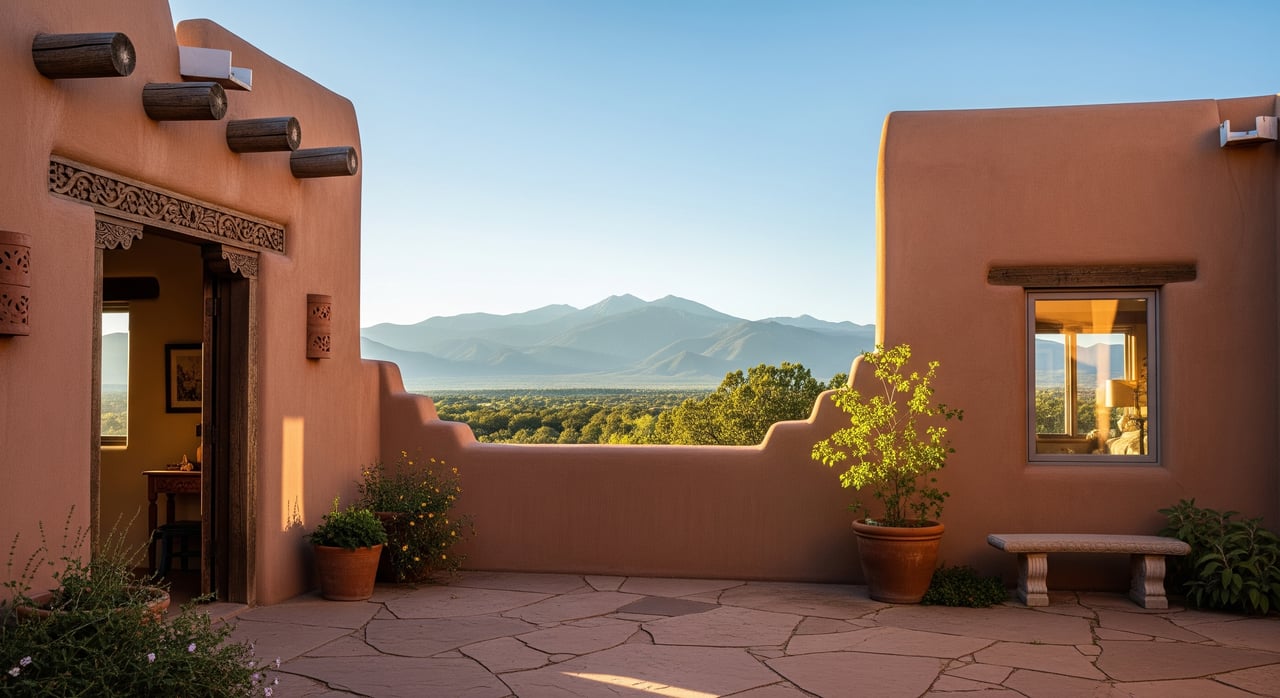
Santa Fe is New Mexico’s capital and a cultural hub for the region. The city’s population sits in the tens of thousands, with a larger regional community nearby. You’ll find longtime Hispanic communities, nearby Pueblo peoples, artists, retirees, government workers, and small business owners shaping a rich civic life. Distinctive adobe architecture and thoughtful preservation give central neighborhoods a unique look and feel.
Arts and culture every day
Santa Fe is nationally recognized for its arts. Canyon Road offers a dense stretch of galleries and studios where you can walk, browse, and meet working artists. Museums such as the Georgia O’Keeffe Museum, the New Mexico Museum of Art, the Museum of International Folk Art, the Museum of Indian Arts & Culture, and SITE Santa Fe keep exhibits fresh year-round.
Performance is part of the rhythm too. The Santa Fe Opera draws global attention each summer, while local theaters and music venues fill calendars in every season. Summer markets, including the Santa Fe Indian Market and Spanish Market, bring major attendance and celebrate deep cultural roots. During peak events, expect busier restaurants and lodging, plus more traffic near downtown.
Dining in Santa Fe
If you love chile-forward flavors, you’ll fit right in. New Mexican cuisine with red and green chiles anchors the dining scene, and you’ll find a mix of Southwestern dishes, farm-to-table concepts, and cozy cafes. Downtown spots see strong seasonal demand, especially during summer festivals and holidays. Beyond the center, neighborhood restaurants and coffee shops add reliable options for everyday meals.
Living at 7,200 feet
Santa Fe sits at about 7,200 feet above sea level. If you’re new to altitude, you may notice shortness of breath on stairs or light exercise at first. Most people adapt within a few days, but it helps to be proactive.
Here are simple tips for the first 24–72 hours:
- Drink more water than usual and limit alcohol.
- Keep your first hikes or workouts on the lighter side.
- Watch for symptoms like headache or nausea and rest if you need to.
Sun exposure is stronger at elevation. Daily sunscreen, a hat, and lip protection are smart year-round. You’ll also notice changes in the kitchen. Water boils at a lower temperature, so many baking and cooking times need small adjustments.
Seasons and climate tips
Santa Fe’s climate is high-desert semi-arid with lots of sunshine and big day-to-night temperature swings. Winters bring cold nights and occasional snow, while the city usually remains accessible. Spring and fall are favorites for mild days and crisp evenings.
In summer, expect warm, dry days with the North American Monsoon in mid to late July through August. Afternoon storms can build quickly, bringing short bursts of rain and thunder. If you’re hiking or biking, plan morning starts and keep an eye on the sky.
Wildfire risk has increased regionally in recent years. Air quality can vary during active fire seasons, so it’s wise to check advisories before outdoor plans. At home, consider defensible-space landscaping and stay current on local burn or water-use restrictions.
Neighborhoods and housing style
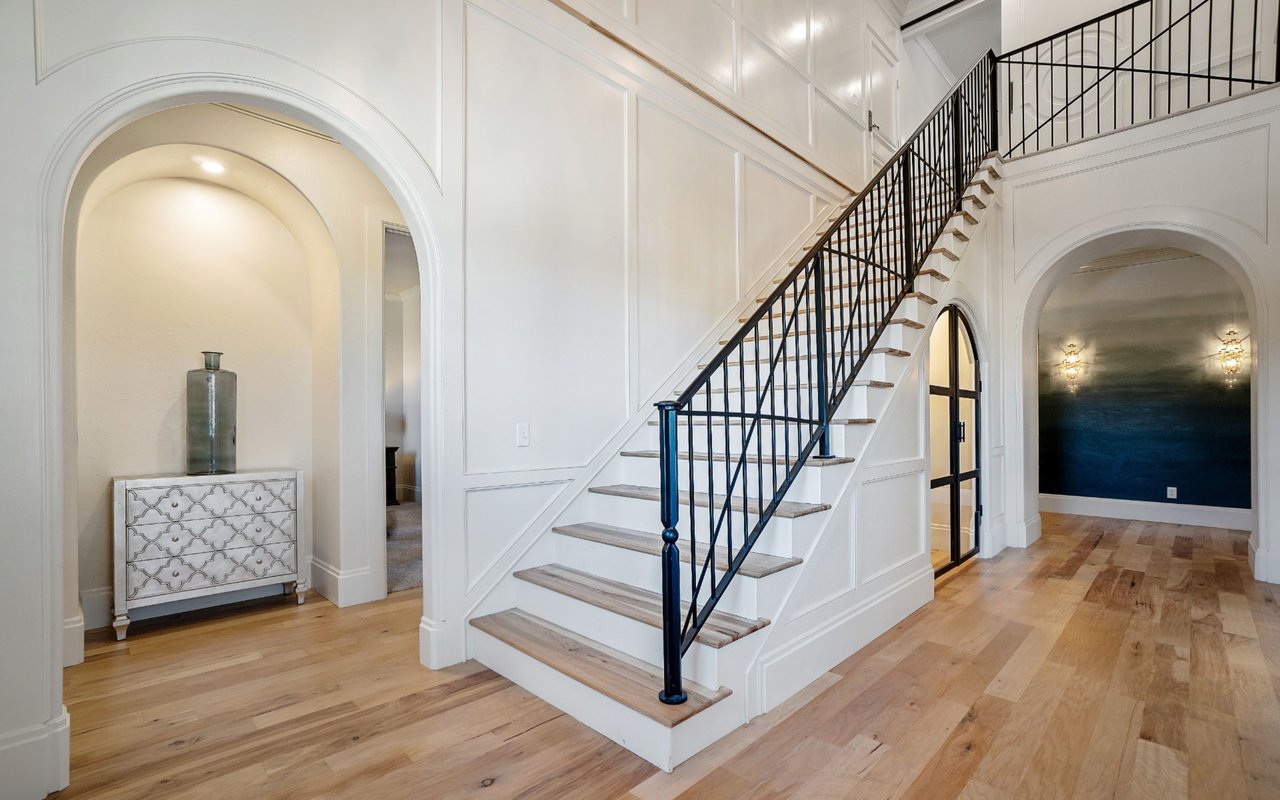
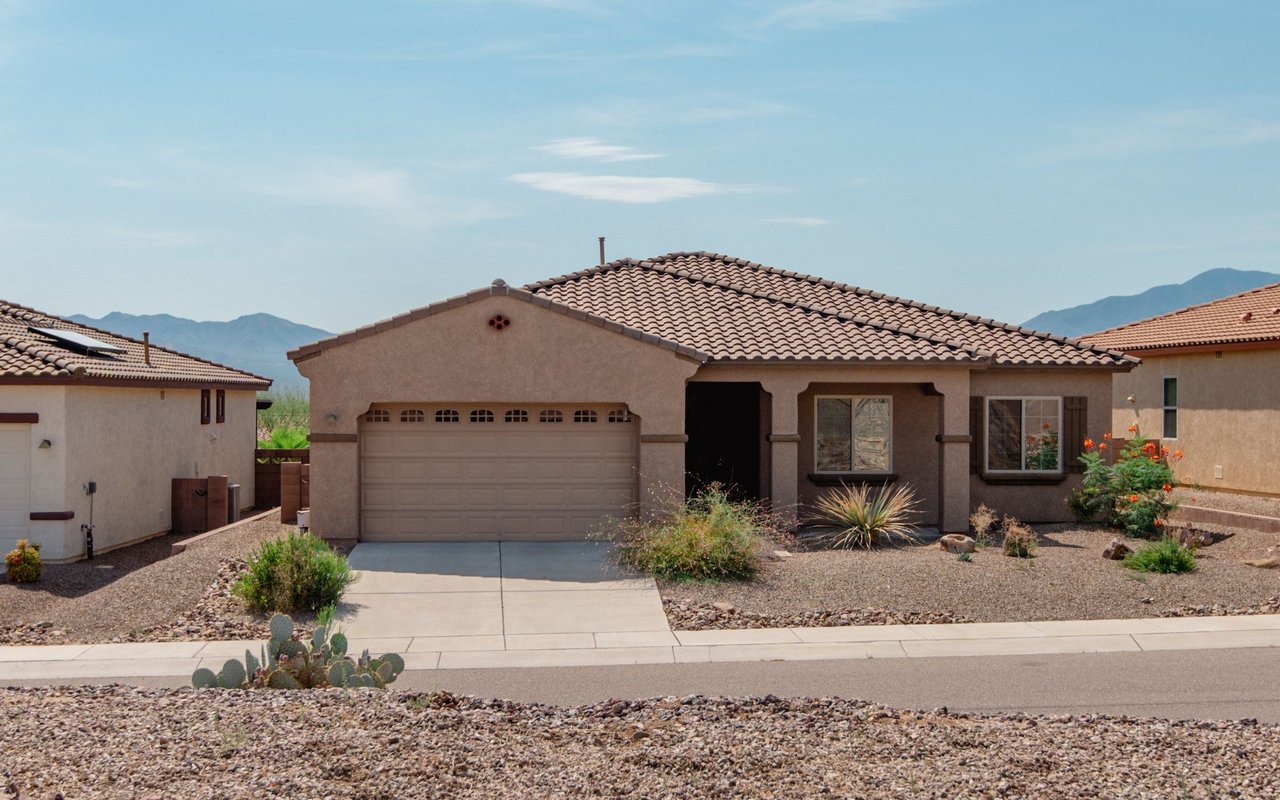
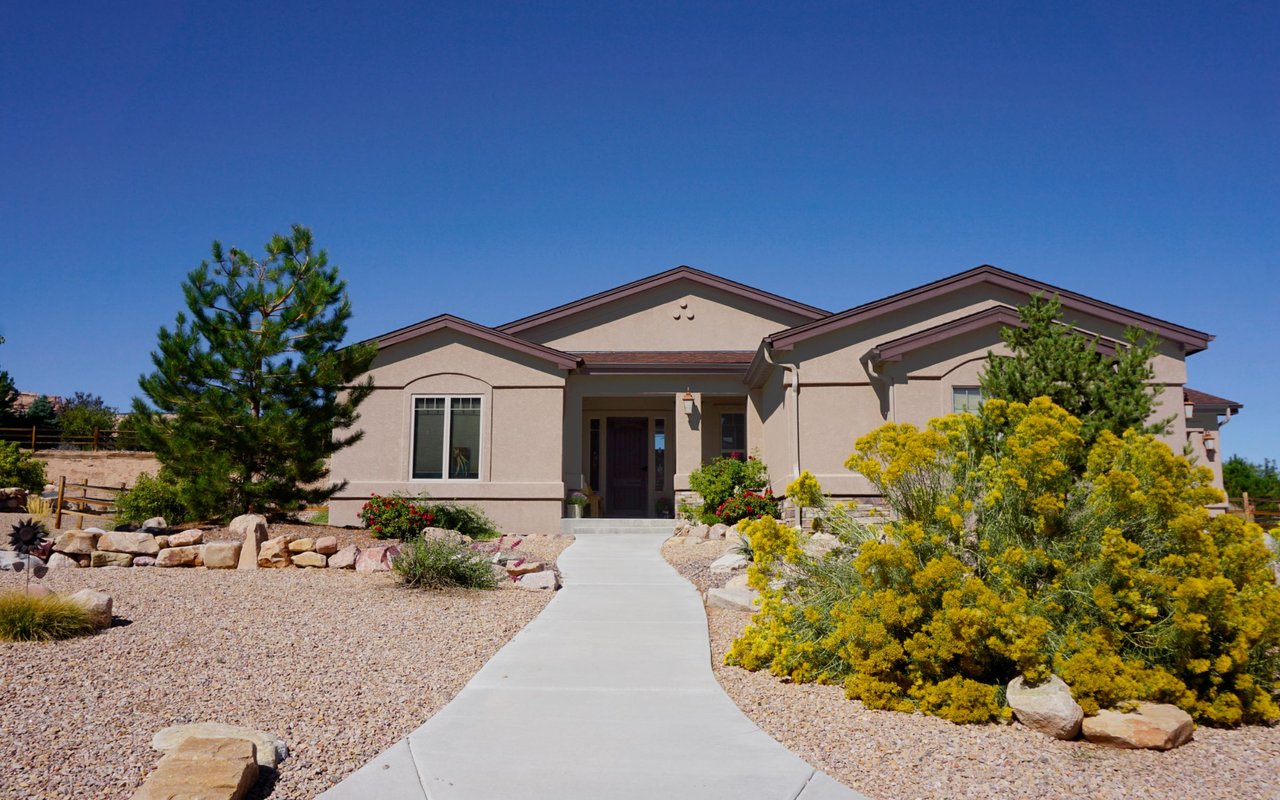
Santa Fe’s housing costs tend to run higher than New Mexico averages, driven in part by demand, second-home activity, and the appeal of historic areas. You’ll see a mix of classic adobe-style homes near downtown, newer single-family neighborhoods, and in some cases preservation or design rules that shape what you can remodel.
Short-term rentals play a role in the market. The city has registration requirements and regulations that change over time. If you plan to rent part or all of a property, review current local ordinances before you buy. A thoughtful prep list helps you move smoothly.
Buying and move-in checklist:
- Confirm any historic-district design rules for renovations.
- Verify current short-term rental regulations if relevant.
- Ask about water-use guidelines, landscaping limits, and fire-safe practices.
- Review property tax details and any HOA rules.
- Plan for altitude acclimation during your first week at home.
Getting around and commuting
Santa Fe is compact compared with big metros. Downtown is walkable and some areas are bike-friendly, though the terrain can be hilly and services spread out. Many residents use a car for errands and commuting.
For regional connections, the New Mexico Rail Runner Express offers commuter rail between Santa Fe and the Albuquerque metro, with schedules that vary by season and day. By car, you connect to I-25 for an Albuquerque drive that’s roughly about an hour in typical conditions. For air travel, Santa Fe Regional Airport has limited commercial service, and Albuquerque International Sunport is the larger option about an hour away.
Outdoor access at your door
If you value trail time, Santa Fe makes it easy. You have quick access to the Sangre de Cristo Mountains, including the Dale Ball Trails and the Atalaya Trail, along with many Santa Fe National Forest trailheads. Ski Santa Fe offers a winter season close to town, conditions permitting.
Beyond the city, the Pecos Wilderness and a network of state and federal lands support hiking, biking, fishing, and hunting. Many top day trips are within 30 to 90 minutes, depending on season and destination. At altitude, plan gentler paces at first and carry extra water.
Everyday services and costs
As a state capital and regional center, Santa Fe supports solid services for a small city. Christus St. Vincent Regional Medical Center is the primary hospital. For specialized care or major university resources, you’ll look to Albuquerque.
Overall costs tend to be higher than state averages, especially for housing. Utilities, groceries, and services are moderate to high compared with other New Mexico cities, with prices that can shift during peak seasons. New Mexico’s property tax rates are relatively low, but higher property values can still produce meaningful annual tax bills.
Water, landscaping, and home care
Arid conditions reward smart water use. Many homeowners choose xeriscaping and drought-tolerant plants that fit the high-desert climate. If you garden, research planting schedules, soil amendments, and watering rules that protect local supplies.
Seasonal maintenance is simple once you get used to it. In winter, prepare for freezing nights and occasional snow. In summer, clean gutters ahead of monsoon rains, secure patio items for gusty storms, and keep stormwater flowing away from adobe and stucco finishes.
Safety and community feel
Like any city, safety varies by neighborhood. Downtown areas with heavy visitor traffic can see property or petty crime typical of tourist zones. Residential areas range from quiet to more mixed, so it helps to visit at different times of day to understand the rhythm.
Santa Fe’s community life is shaped by Hispanic culture, nearby Pueblo communities, government workers, and artist networks. City events, markets, and museum calendars keep things lively without losing the pace of a small city.
Is Santa Fe a fit?
You might thrive here if you want daily access to art and nature, enjoy four distinct seasons, and prefer a compact city with strong cultural roots. If you are sensitive to altitude, plan time to acclimate and talk with your doctor about any concerns. If you are a frequent traveler, factor in the Albuquerque airport for more flight options.
For homebuyers, the key decision points include style and location tradeoffs. Historic charm often comes with renovation rules, while newer homes offer simplified maintenance. If rental income is part of your plan, confirm short-term rental requirements before you commit.
Ready to explore homes?
If Santa Fe is on your radar, partner with a local advisor who understands Northern New Mexico’s arts, altitude, and daily rhythms. With concierge guidance and a calm, detailed process, you can find the home that fits your lifestyle and plans. Connect with Debbie Friday Jagers to talk neighborhoods, timelines, and next steps.
FAQs
How does Santa Fe’s altitude affect newcomers?
- Most people feel mild effects like shortness of breath for a few days, so hydrate, take it easy at first, and seek medical advice if you have specific health concerns.
What are Santa Fe’s seasons like for daily life?
- Expect sunny days, cold winter nights with occasional snow, and summer monsoon afternoons in late July and August that can bring brief thunderstorms.
Is downtown Santa Fe walkable for errands?
- Downtown is walkable and some areas are bike-friendly, but many residents drive due to hills, spread-out services, and neighborhood distances.
How long is the commute to Albuquerque?
- Under typical conditions it is roughly about an hour by car, and the New Mexico Rail Runner Express provides a commuter rail alternative for some schedules.
What should homebuyers know about historic homes?
- Central neighborhoods often have preservation or design rules, so review restrictions on exterior changes and materials before planning renovations.
Are short-term rentals allowed in Santa Fe?
- Short-term rentals are regulated and require registration, so check current city rules and permitting steps before buying with rental goals.
How often do wildfires or smoke affect plans?
- Regional wildfire seasons vary year to year, so monitor air-quality advisories and be ready to adjust outdoor plans when smoke or closures occur.