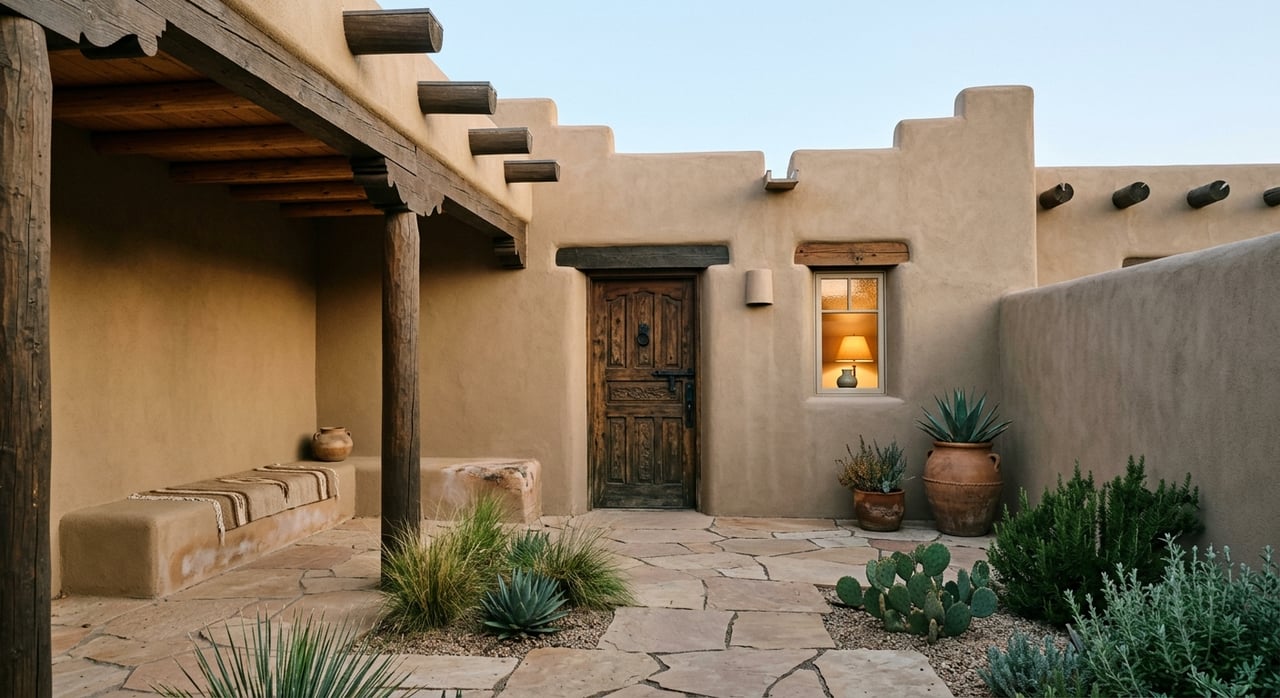
If you are selling a Santa Fe adobe or Pueblo Revival home, you are not just putting square footage on the market. You are presenting architecture, materials, history, and a sense of place that many buyers cannot find anywhere else. The good news is that with the right pricing, prep, and marketing, you can help your home stand out for all the right reasons. Let’s dive in.
Why selling in Santa Fe takes strategy
Santa Fe’s market gives sellers opportunity, but it also rewards discipline. In the Santa Fe Area Realtors Q4 2025 City and County report, single-family closed sales rose 7.8% year over year, the median sales price reached $710,000, days on market increased to 64, and sellers received 93.3% of original list price on average.
That mix matters. It suggests buyers are active, but they are not simply accepting aspirational pricing. If you want a strong result, your home needs a price that matches the market and a presentation that justifies the value.
This is especially true for adobe and Pueblo Revival homes. Buyers in Santa Fe often respond to authentic architectural character, but they also compare condition, maintenance needs, and how clearly the home’s story is told.
Know what kind of home you are selling
One of the biggest mistakes sellers make is using broad labels that blur important differences. In Santa Fe, buyers may care whether a home is true historic adobe, a Pueblo Revival property, or a newer home built in a recent Santa Fe style.
That distinction shapes how you market the property. A true adobe home may appeal to buyers focused on authenticity and traditional construction, while a Pueblo Revival or recent Santa Fe-style home may attract buyers who want the look and feel of regional architecture with more modern systems or materials.
Key Santa Fe features buyers notice
According to Tourism Santa Fe and the city’s architectural guidance, buyers are often drawn to features such as:
- Vigas
- Flat roofs
- Portales
- Round walls
- Corner fireplaces
- Patios or plaza-centered layouts
- Earth-tone walls with a matte or dull finish in areas governed by historic style standards
These features are not just decorative details. In many cases, they are part of what gives the home its market identity. Your listing should reflect what is truly there, rather than trying to fit the home into a generic Southwest category.
Why the story has to match the house
Santa Fe buyers are often buying a place-story as much as a property. The city’s adobe architecture, preservation culture, and arts identity all add to the appeal. That means your marketing works best when it is honest and specific about the home’s character, condition, and architectural lineage.
If your house is a historic adobe, say so accurately. If it is a style-inspired rebuild or a newer property that borrows local forms, that can still be highly appealing, but the description should be clear and grounded in fact.
Price for today’s buyers, not yesterday’s hopes
With average sellers receiving 93.3% of original list price in the latest Santa Fe City and County report, pricing matters. Buyers still pay for special homes, but overpricing can slow momentum, especially when days on market have risen to 64.
For adobe and Pueblo Revival properties, pricing can be even more nuanced. Architectural charm adds value, but buyers may also weigh upkeep, energy performance, age of systems, and whether the home has been maintained with materials and methods suited to earthen or stucco-clad construction.
A smart pricing strategy should consider:
- The home’s architectural type and authenticity
- Location within Santa Fe
- Condition of plaster or stucco, roofing, and drainage
- Quality of updates
- Outdoor living areas such as courtyards or portales
- How well the home competes visually online
Focus on exterior prep first
Santa Fe’s climate can be hard on exterior surfaces. NOAA normals for the Santa Fe 2 station show an elevation of 6,756 feet, annual precipitation of 12.79 inches, annual snowfall of 20.2 inches, and an average temperature of 50.0 degrees.
For sellers, that means exterior condition deserves close attention before listing. On adobe or stucco-clad homes, buyers are likely to notice plaster or stucco wear, roof edges, and drainage patterns quickly, especially in photos and during showings.
Repairs worth reviewing before listing
Before photography or open-house prep, it is wise to review:
- Cracks or worn areas in plaster or stucco
- Roof edges and drainage paths
- Signs of deferred maintenance around portals, courtyards, and exterior walls
- Window and door condition
- Mechanical equipment visibility on the exterior
Not every issue must be corrected before going live. Still, visible exterior maintenance often shapes a buyer’s first impression, especially with older homes where repair concerns can feel bigger than they are.
Use the right professionals for earthen homes
Santa Fe has adopted the 2021 New Mexico Earthen Building Materials Code and the 2021 New Mexico Historic Earthen Buildings Code. That is a strong reminder that older adobe properties should be evaluated and repaired by people who understand local earthen-wall systems.
A general approach that works on standard stucco construction may not be the right fit for a historic earthen building. If work is needed, using professionals familiar with adobe and historic materials can help protect the home and support buyer confidence.
Check historic-district rules before exterior changes
If your property is in one of Santa Fe’s historic districts, exterior work may require review before you make changes. The city’s Historic Preservation Division states that exterior work within historic districts must be pre-approved, though some minor alterations and maintenance or repair may be handled administratively.
The city’s Building Division also notes that simple maintenance usually does not require a construction permit, but re-roofing, window replacement, re-stuccoing, solar panels, and new or replacement mechanical equipment do require permits. Interior and exterior painting of residential structures does not require a building permit, but sellers should still confirm whether historic district review applies before changing the exterior appearance.
A simple rule of thumb
If the work changes how the home looks from the outside, pause before moving forward. Checking local review requirements early can help you avoid delays, unexpected corrections, or listing interruptions.
Stage to reveal the architecture
Staging can help buyers connect emotionally, but Santa Fe homes usually benefit from a lighter touch. According to NAR’s 2025 staging research, 83% of buyers’ agents said staging made it easier for buyers to visualize the home as their future home, and about half said staging reduced time on market.
The goal is not to erase the home’s character or make it look like it could be anywhere. The goal is to declutter, simplify, and let the architecture breathe.
What to highlight in staging
For adobe and Pueblo Revival homes, staging should help buyers notice:
- Vigas and ceiling lines
- Plaster texture
- Inset openings
- Fireplaces
- Portales
- Courtyards and patios
- Natural light and shadow lines
The living room, primary bedroom, dining room, and kitchen are often the most important rooms to stage. Keep furnishings scaled to the rooms so buyers can read the architecture clearly, especially if the layout includes smaller or more intimate spaces.
What not to overdo
Avoid staging choices that compete with the home’s structure. Heavy decor, oversized furniture, or overly trendy styling can distract from the materials and forms that make Santa Fe architecture special.
Build your listing for remote buyers
Many Santa Fe buyers begin online. NAR’s 2025 generational trends report found that the first step in the home search process was to look online for properties, while real estate agents remained the most-used information source. It also found that 69% of buyers used a mobile or tablet device, 37% used online video sites, 83% found photos very useful, 79% valued detailed property information, 57% valued floor plans, and 41% valued virtual tours.
That matters because a Santa Fe adobe or Pueblo Revival home may attract out-of-state buyers, second-home shoppers, or repeat buyers who can move quickly if a property feels right. Nationally, 30% of repeat buyers paid cash in the latest NAR generational trends report.
The media package your home needs
For this kind of listing, strong media is not optional. A solid package should include:
- Professional daylight photography
- Detail shots of architectural features
- Floor plans
- Video or a walkthrough experience
- Clear descriptions of layout, materials, and outdoor living spaces
This helps remote buyers understand circulation, room scale, and how interior and exterior areas connect. For a Santa Fe home, that is often where emotional interest turns into a showing or offer.
Keep digital edits honest
If virtual staging or photo enhancement is used, accuracy still matters. NAR guidance says photo changes that materially alter the property should be disclosed, and edits should not hide condition, scale, or needed repairs.
That is especially important with older homes. Buyers may already be watching closely for authenticity and maintenance clues, so trust matters from the first photo onward.
Ask the right questions before hiring a listing agent
Not every listing agent is equipped to market a Santa Fe adobe or Pueblo Revival home well. This is a niche that blends pricing, preservation awareness, and visual storytelling.
When you interview an agent, ask practical questions that reveal how they think and how they will represent your home.
Questions worth asking
- Do you understand Santa Fe historic-district review and permit basics?
- Can you recommend an architectural photographer and a stager who understand Santa Fe homes?
- What is your pricing strategy for this type of property?
- Will you include floor plans, video, and strong photo coverage?
- How will you market to remote and out-of-state buyers?
- How will you present the home’s authenticity, condition, and architectural character?
A strong agent should be able to answer these clearly and connect the plan back to your specific property, not just deliver a generic sales pitch.
Selling the home and the place-story
Santa Fe has a built-in appeal that few markets can match. Tourism Santa Fe describes the city as a place of low-slung, earth-colored adobe buildings and hundreds of historic homes built primarily in Spanish Pueblo and Territorial styles. The city also notes Santa Fe’s designation as a UNESCO Creative City of Crafts & Folk Art.
That broader identity helps your home, but it does not replace strategy. The homes that stand out usually combine accurate pricing, careful prep, thoughtful staging, and a media package that helps buyers feel the property before they ever arrive.
If you are preparing to sell, the best first step is a clear plan that respects the home’s architecture and meets today’s buyers where they are. When your pricing, presentation, and story all line up, your home has a much better chance of attracting serious interest.
If you want thoughtful guidance on how to position a distinctive Northern New Mexico property, connect with Debbie Friday Jagers for a personalized consultation.
FAQs
How can you tell if a Santa Fe home is true adobe or Pueblo Revival?
- Look at how the home was built and described, not just how it appears from the street. A true adobe home uses traditional earthen construction, while a Pueblo Revival home reflects the regional style through forms and design features. Newer homes may also follow a Recent Santa Fe style using more modern materials.
What exterior repairs matter most before selling a Santa Fe adobe home?
- The most important areas to review are plaster or stucco condition, roof edges, and drainage. In Santa Fe’s high-desert climate, visible exterior wear can affect buyer confidence quickly.
What should you stage in a Santa Fe Pueblo Revival home?
- Focus on the living room, primary bedroom, dining room, and kitchen, while keeping sightlines open to architectural features such as vigas, fireplaces, plaster texture, portales, and courtyards.
How much listing media does a Santa Fe home need for remote buyers?
- At a minimum, buyers benefit from strong professional photos, detailed property information, floor plans, and a video or virtual walkthrough. These tools help out-of-state buyers understand layout, scale, and outdoor living.
What should you ask a Santa Fe listing agent before signing?
- Ask about their knowledge of historic-district review, pricing strategy, staging guidance, photography and video plans, and how they will market the home to remote buyers while presenting its character and condition accurately.